

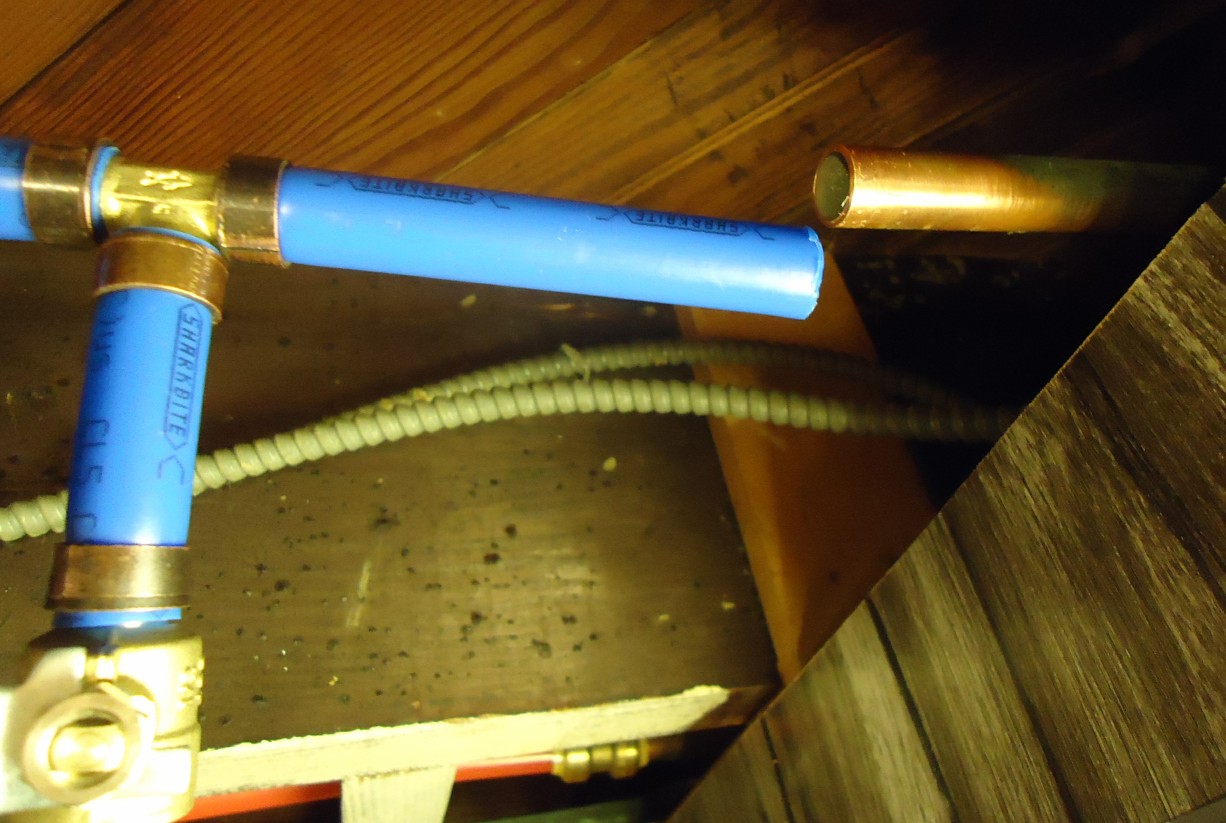
The setup
- ESP32 + waterproof DS18B20 zip-tied near the main supply run
- Freeze threshold 36°F with email and SMS (Pro)
- Family live link for a relative who lives nearby
How it plays out
- Sun 4:05 a.m.: The crawlspace crosses 36°F with a foundation vent stuck open.
- Sun 4:06 a.m.: SMS and email go out; the nearby relative checks the live link and heads over.
- Sun 5:20 a.m.: The vent is closed and the chart starts climbing before the morning low.
Why it matters
Nobody checks a crawlspace at 4 a.m. A probe on the pipe run, not at the hatch, is what turns a stuck vent into a quick fix.
Real outcomes depend on sensor placement, thresholds, and how quickly someone can respond.
FAQ
Where should the crawlspace probe go?
On or next to the coldest supply line, not at the access hatch. Add a living-space probe if you want context from upstairs.
Is a humidity sensor enough?
No. Humidity helps spot moisture, but freeze risk is the temperature at the pipes. Use a waterproof probe and a threshold a few degrees above 32°F.
Related answers
Try it on your space
Start free with live charts, email alerts, and one family live share link. Upgrade when you want CSV history (Member) or SMS and expanded share scopes (Pro: 14-day trial).
See plans & pricing Create free account Compare vs DIY · All scenarios