

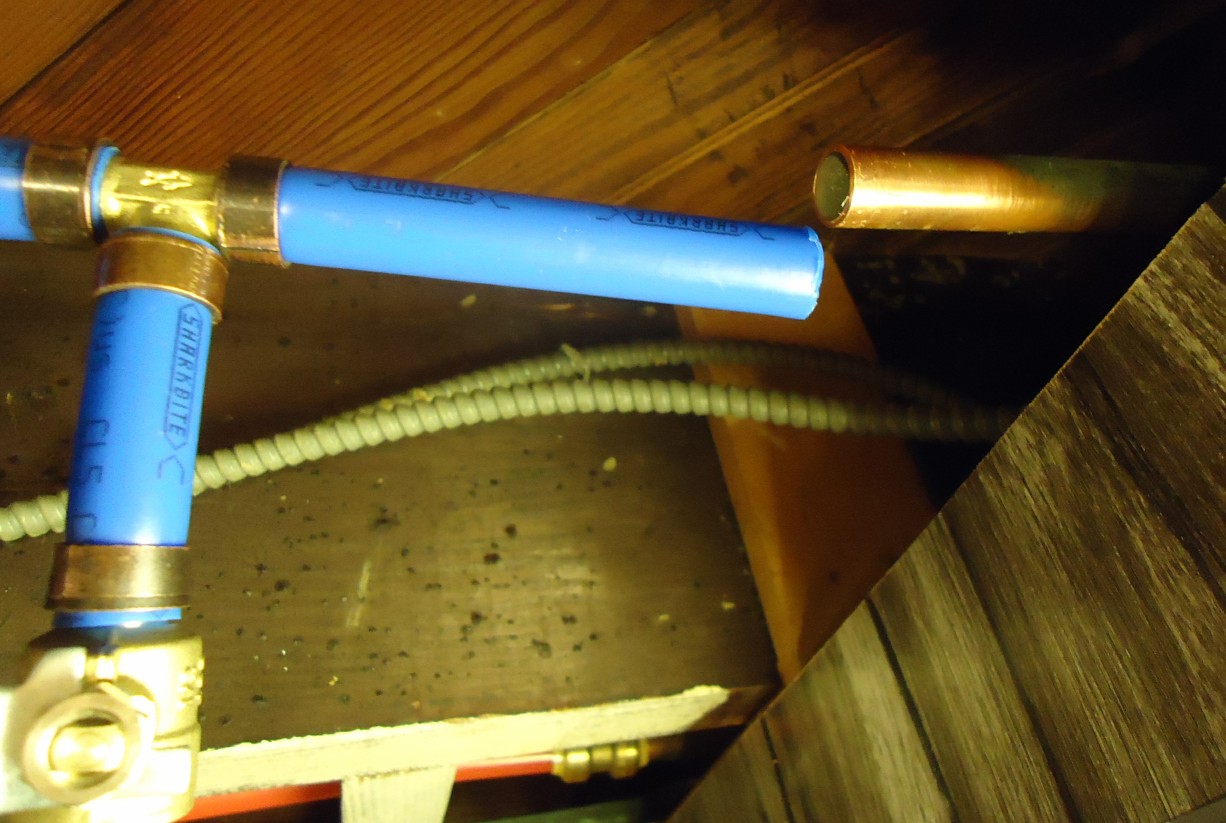
Freeze damage happens when air or pipe-adjacent zones stay below 32 °F long enough for water to expand. Garage probes measure air, which is usually a few degrees warmer than fluid in an exterior wall cavity, so build margin into any alert threshold.
Choosing thresholds
Many owners watch for sustained air temps below 35–38 °F rather than reacting to a single 31 °F blip during a door opening. Review history browsing for overnight plateaus, not spikes.
Zone-specific rules
- Door-adjacent probe: Expect brief dips; do not treat every spike as emergency.
- Interior / pipe-wall probe: Tighter threshold; this zone best represents risk.
- Average key: Useful summary but can hide a cold corner: check individual zones.
Related monitoring
Understand drivers with seasonal patterns and infiltration. Hardware reliability matters too: DHT22 retries prevent false alarms from bad reads. Leak / flood sensors notify automatically when wet; door, motion, power, and air quality need a custom rule in Dashboard → Alerts. For remaining-hours runway before the probe crosses freeze, see time-to-freeze.
FAQ
What freeze threshold should I start with?
Many unheated spaces (garages, shops, crawlspaces) start near 35–38 °F so you get warning before pipes are at hard freeze. Tune after you see overnight lows in your coldest zone.
Should I alert on outdoor forecast or indoor probes?
Use both when you can: probes catch your space; forecast and NWS alerts catch regional cold snaps before indoor air has dropped.