

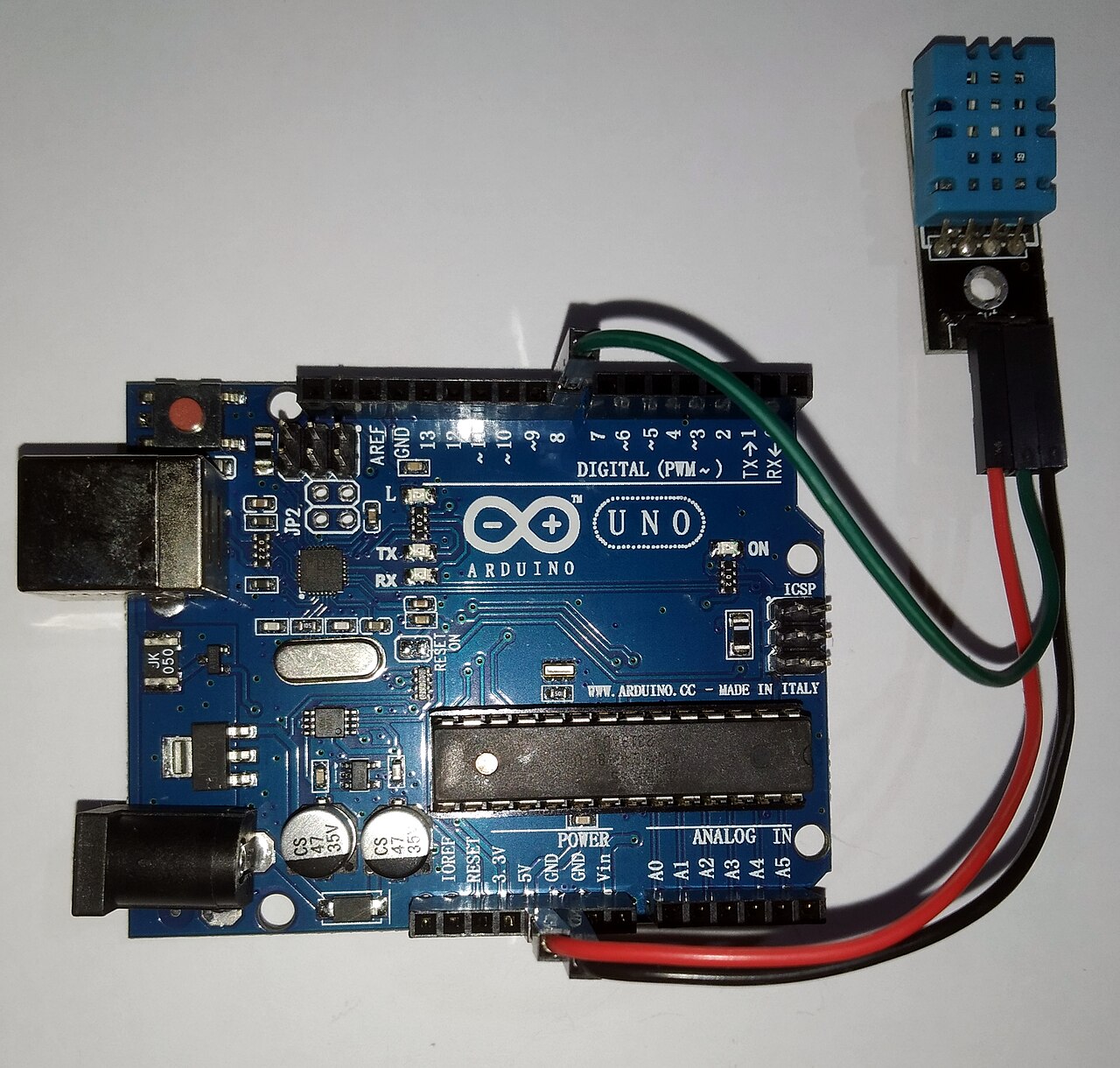
Breadboard jumpers look interchangeable but garage vibration from door openers and compressors loosens cheap connections. Solid-core dupont wires suit bench work; finalized installs benefit from restrained routing, labeled colors, and occasional ferrules where wires leave the breadboard for remote probes.
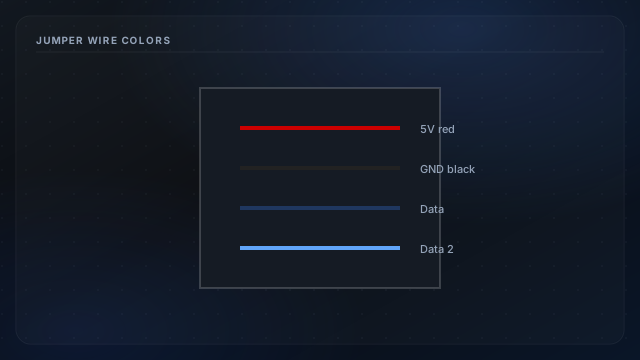
Color conventions
- Red: 5 V distribution.
- Black or green: ground.
- Yellow/blue/green: data lines per probe: document in DHT22 wiring.
- Contrast pot: separate pair; do not share with sensor data colors.
Mechanical reliability
Strain-relief tie points before cables exit the board; avoid tension on DHT22 sockets. Long runs transition to twisted pair per cable length guide. Re-seat connections after transport to the monitored space.
When to stop using breadboards
Permanently mounted installs eventually deserve a protoboard or PCB: see circuit wiring overview. Until then, systematic troubleshooting beats random jumper swaps.