

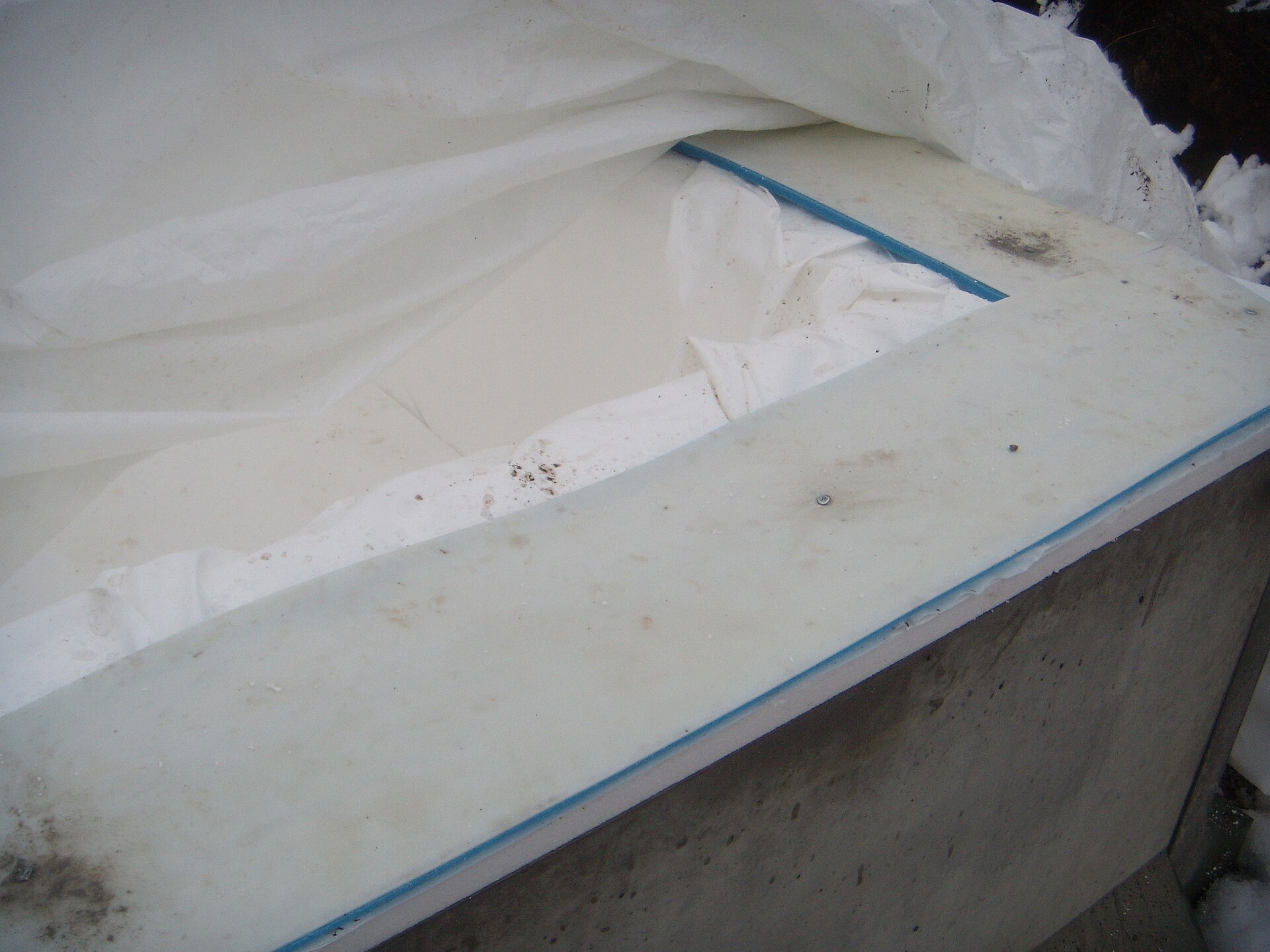
Unheated garages often sit on a thick concrete slab tied to the earth. That mass absorbs and releases heat slowly compared with lightweight wall air. Probes mounted low or near the floor track slab influence; probes at shoulder height respond faster to door and HVAC events. Understanding mass helps explain otherwise confusing dual-probe gaps.
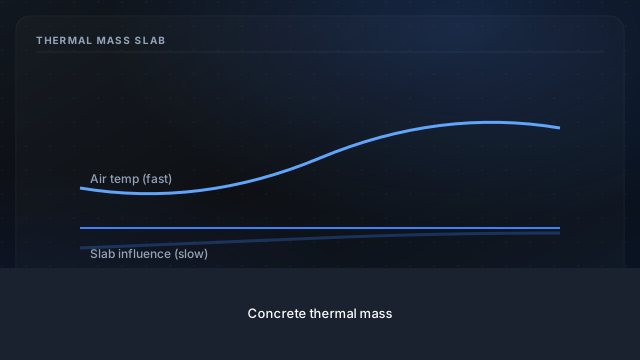
Day-night lag
On sunny afternoons, sun load may warm the bay while the slab still feels cool to the touch. After sunset, the slab can **radiate stored heat** for hours: interior air cools more slowly than forecast models predict. Seasonal history reveals your site-specific lag.
Probe placement interaction
- Low-mounted probes track floor-adjacent air influenced by slab temperature.
- Chest-height probes better represent where people breathe and tools sit on benches.
- Average JSON key blends both: dangerous for freeze checks; see dual-probe averaging.
Condensation link
Warm humid air over a cold slab drives surface moisture: pair with humidity basics. Insulation and door sealing reduce but do not eliminate mass effects; infiltration still moves air across the floor plane.